Culture

Beyond the castle

Stories that live in the landscape

Between the valleys, through the lanes of mountain villages, and up beyond the two-thousand-metre mark, the area around the castle is a layering of languages, eras and flavours. German, Italian, Ladin: three cultures sharing the same horizon, each with its own story to tell, all of them rooted in the same landscape.

Museums & Contemporary Art

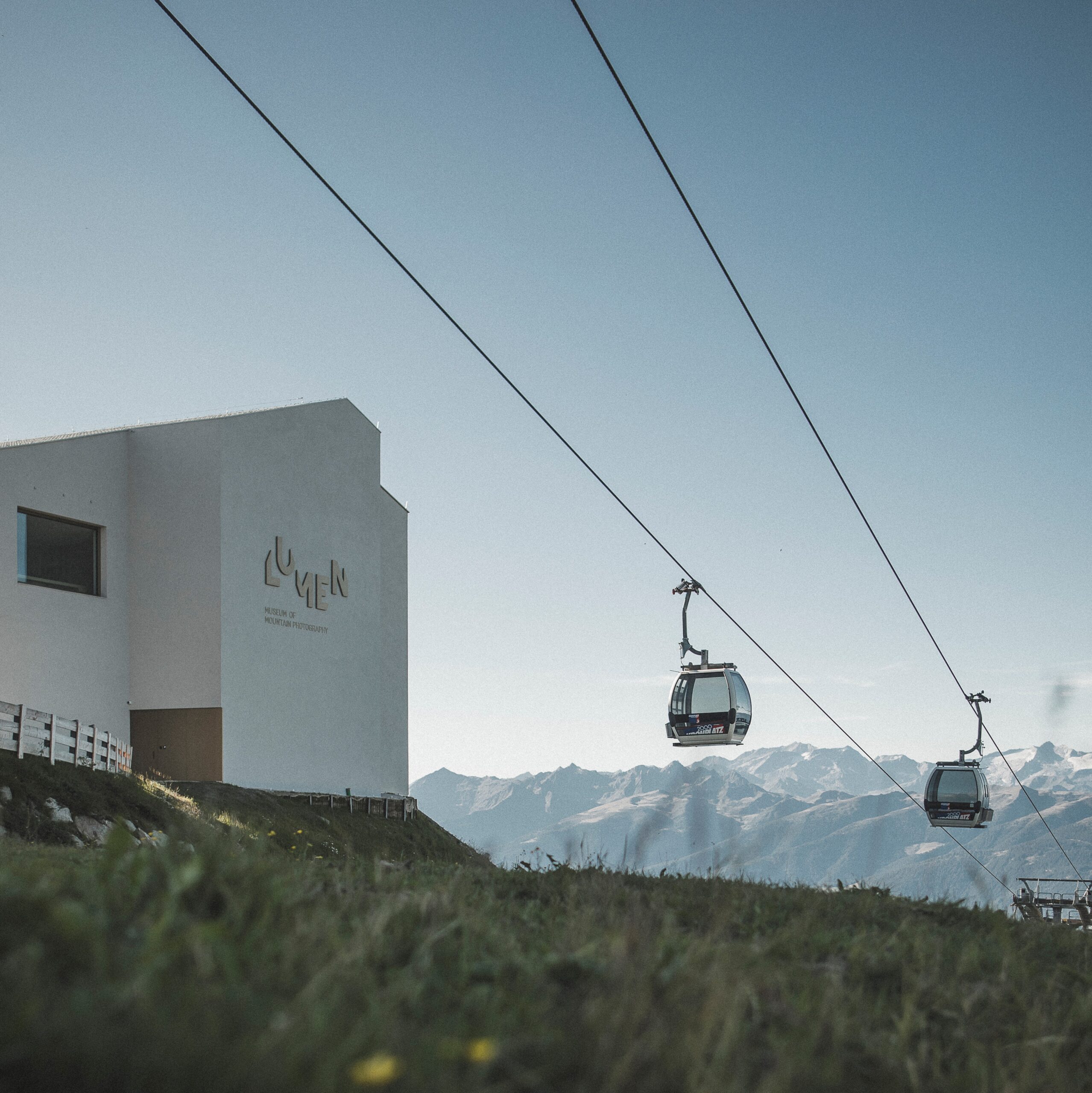
The Puster Valley is a quietly rich cultural hub, where contemporary art and mountain history speak to one another in unexpected ways. On Plan de Corones, the LUMEN Museum explores the relationship between people and peaks through permanent and temporary installations by contemporary photographers. Nearby, the Messner Mountain Museum floats above the horizon at 2,275 metres: the personal testimony of Reinhold Messner, with the Dolomites as backdrop. Down in the valley, the Messner Mountain Museum RIPA, housed inside Brunico Castle, explores the cultures of mountain peoples from around the world. The Museum of Tyrolean Farmhouses at Teodone preserves the memory of South Tyrolean rural life, while the Mansio Sebatum Museum in San Lorenzo di Sebato holds Roman archaeological finds unearthed from beneath the valley floor. For those drawn to modern and contemporary art, the ECK Museum of Arts opens a window onto a different kind of language, closer to the present.

Brunico

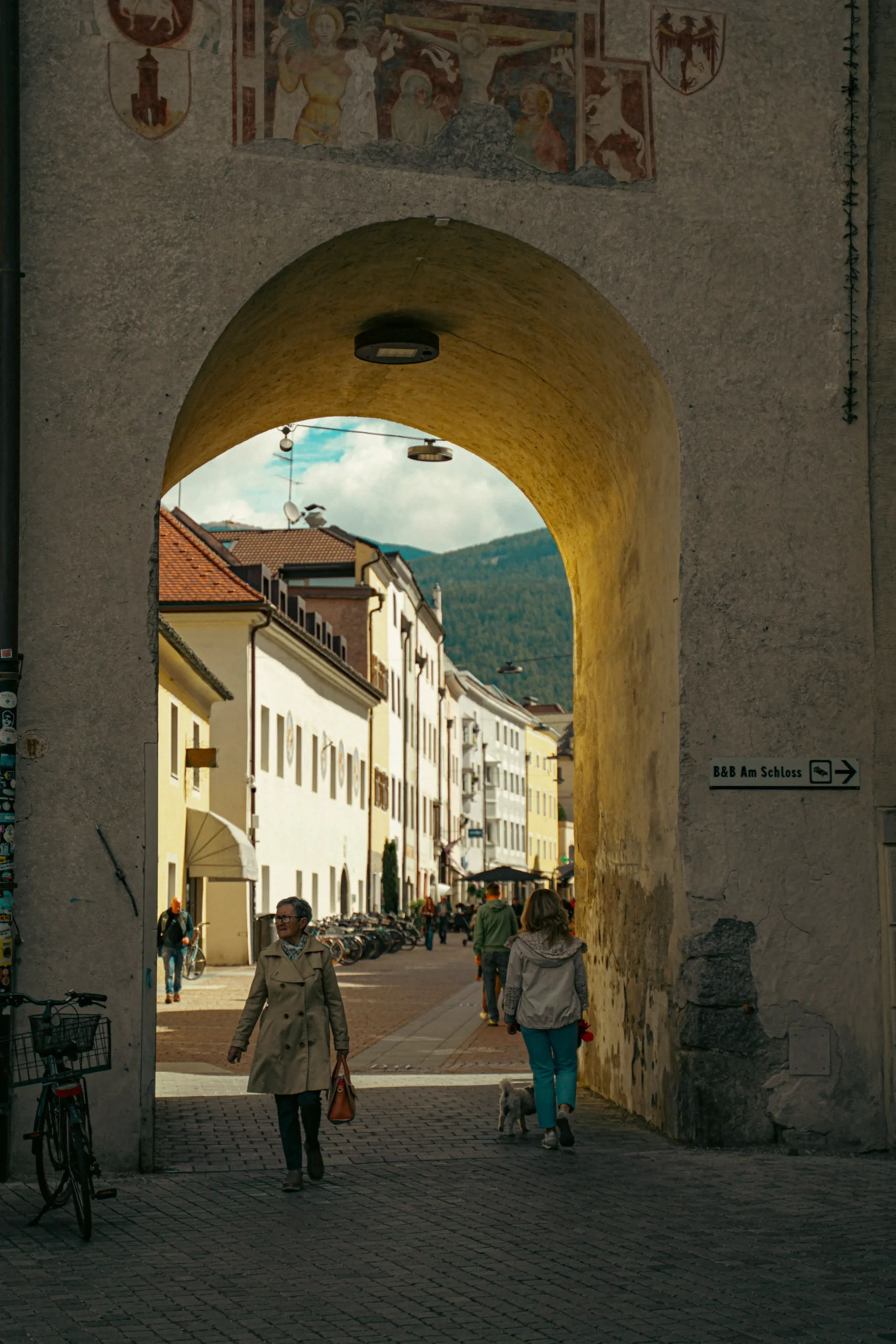
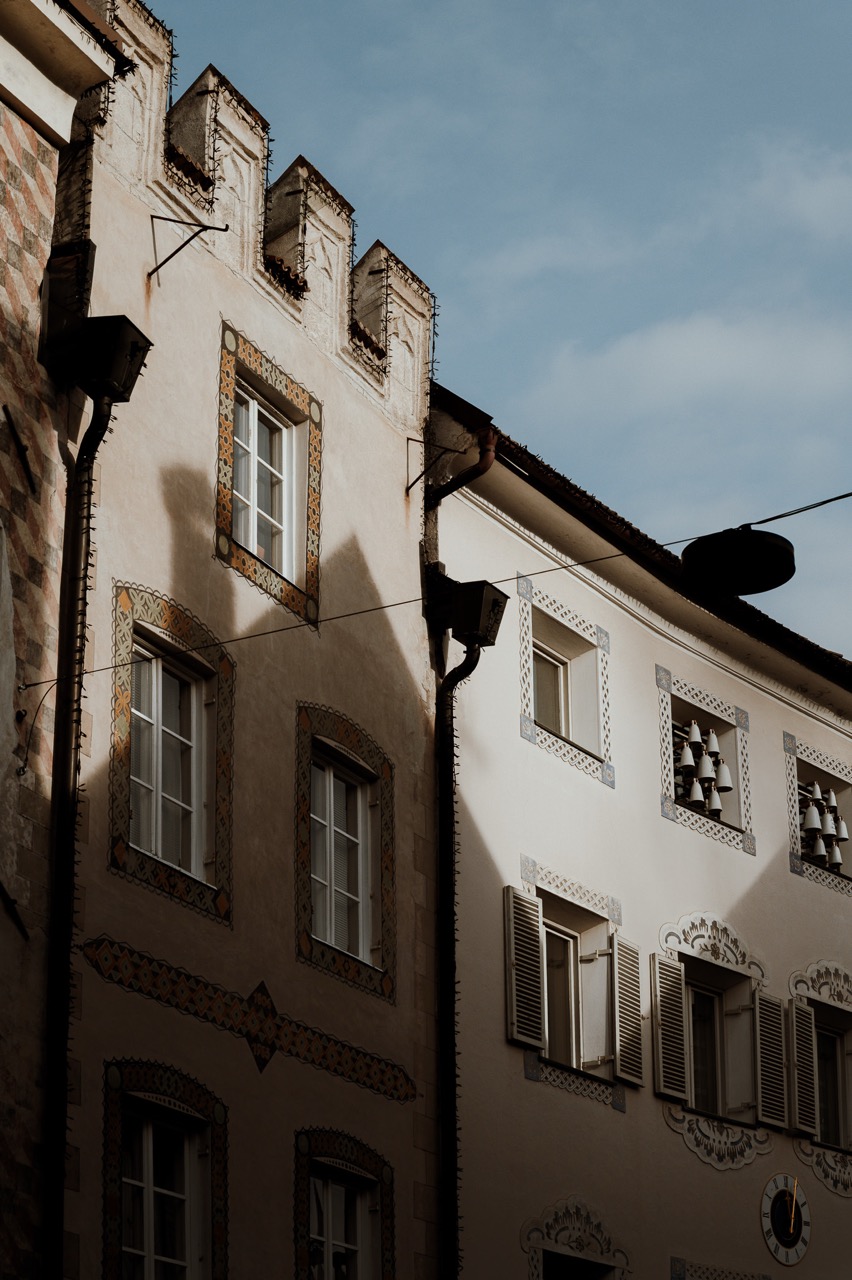
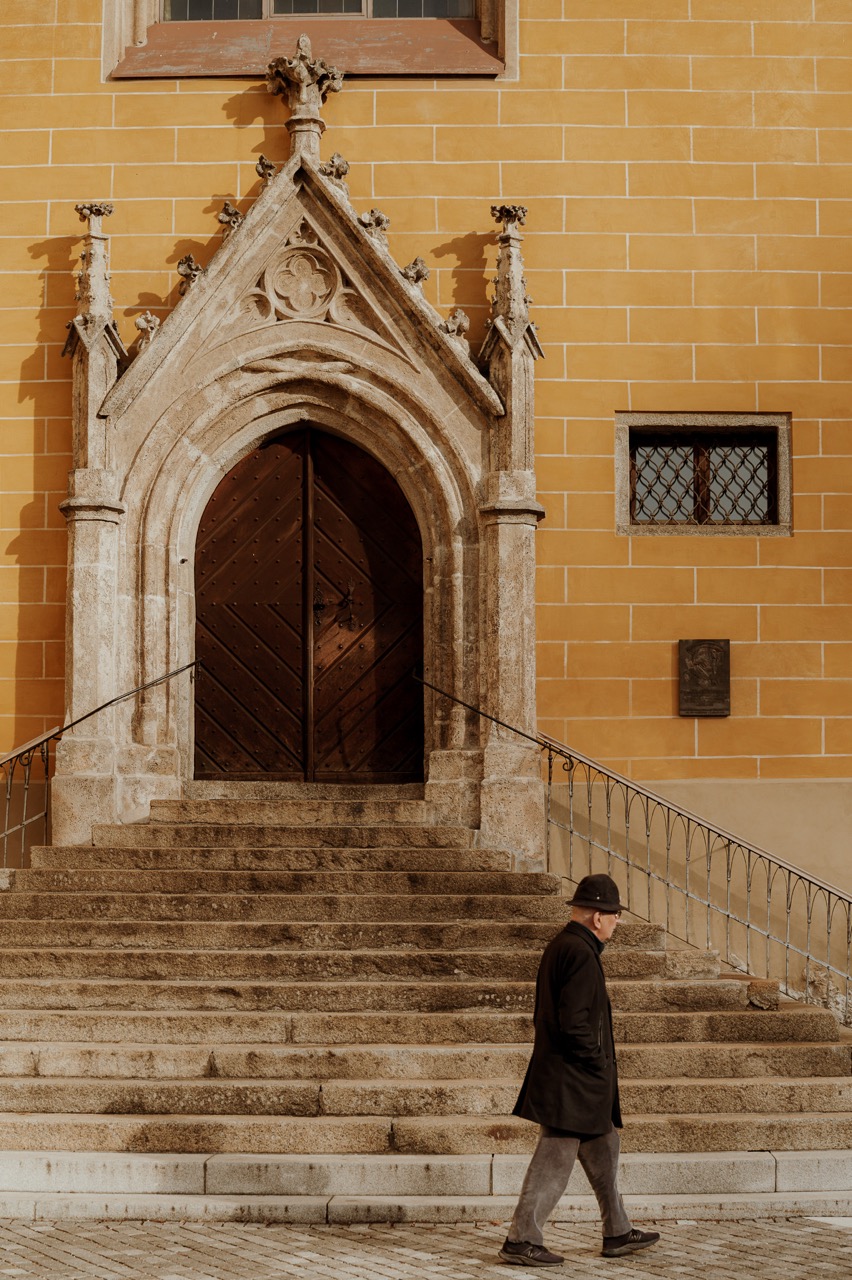
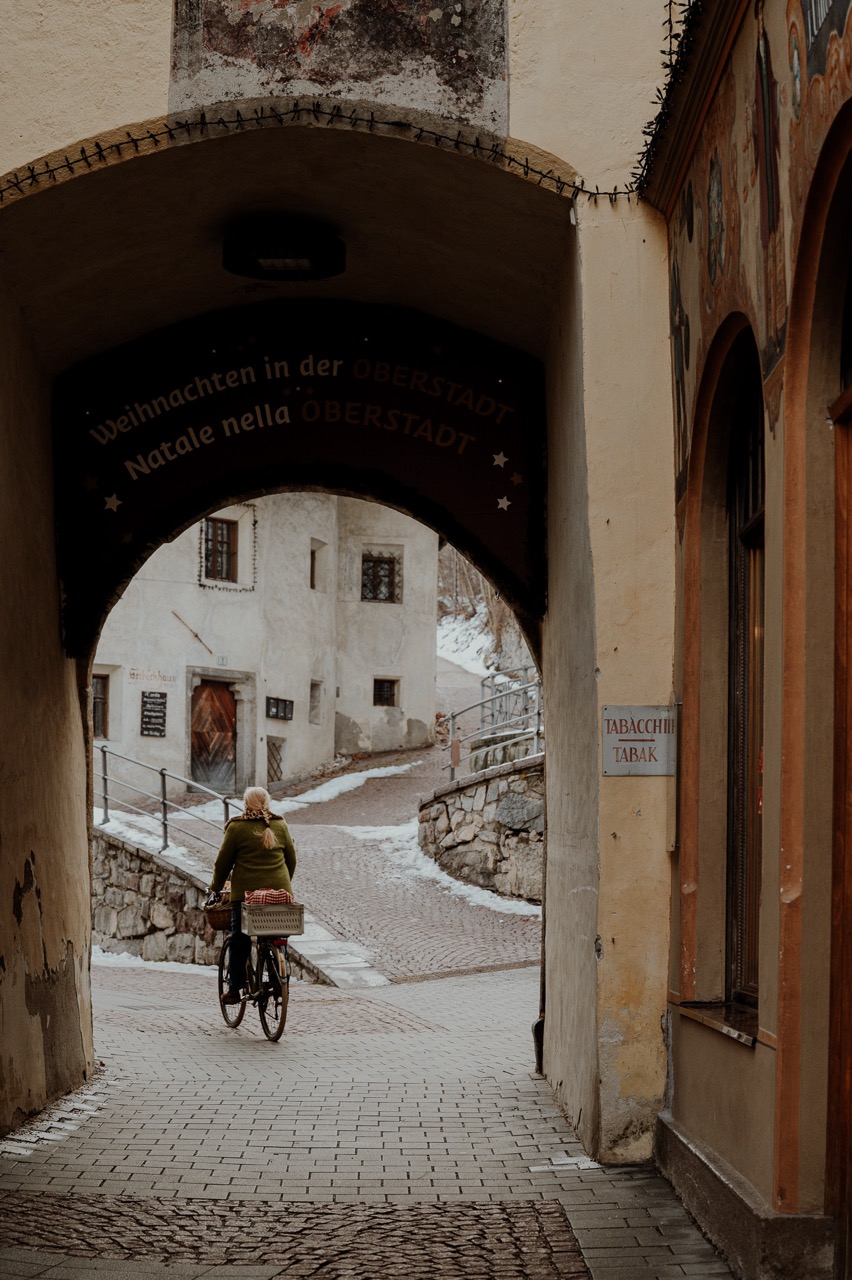
Founded in 1250 by Bishop Bruno von Kirchberg, who commissioned the hilltop castle that still watches over it today, Brunico has been the cultural and economic heart of the Puster Valley for centuries. The colourful façades along Via Centrale, considered one of the finest shopping streets in South Tyrol, conceal inner courtyards, historic buildings and an everyday life that flows with quiet ease. Museums, markets, traditional restaurants and artisan workshops: minutes away from the castle, Brunico reveals itself best when you wander through it slowly, between one adventure and the next.

Flavour & Tradition

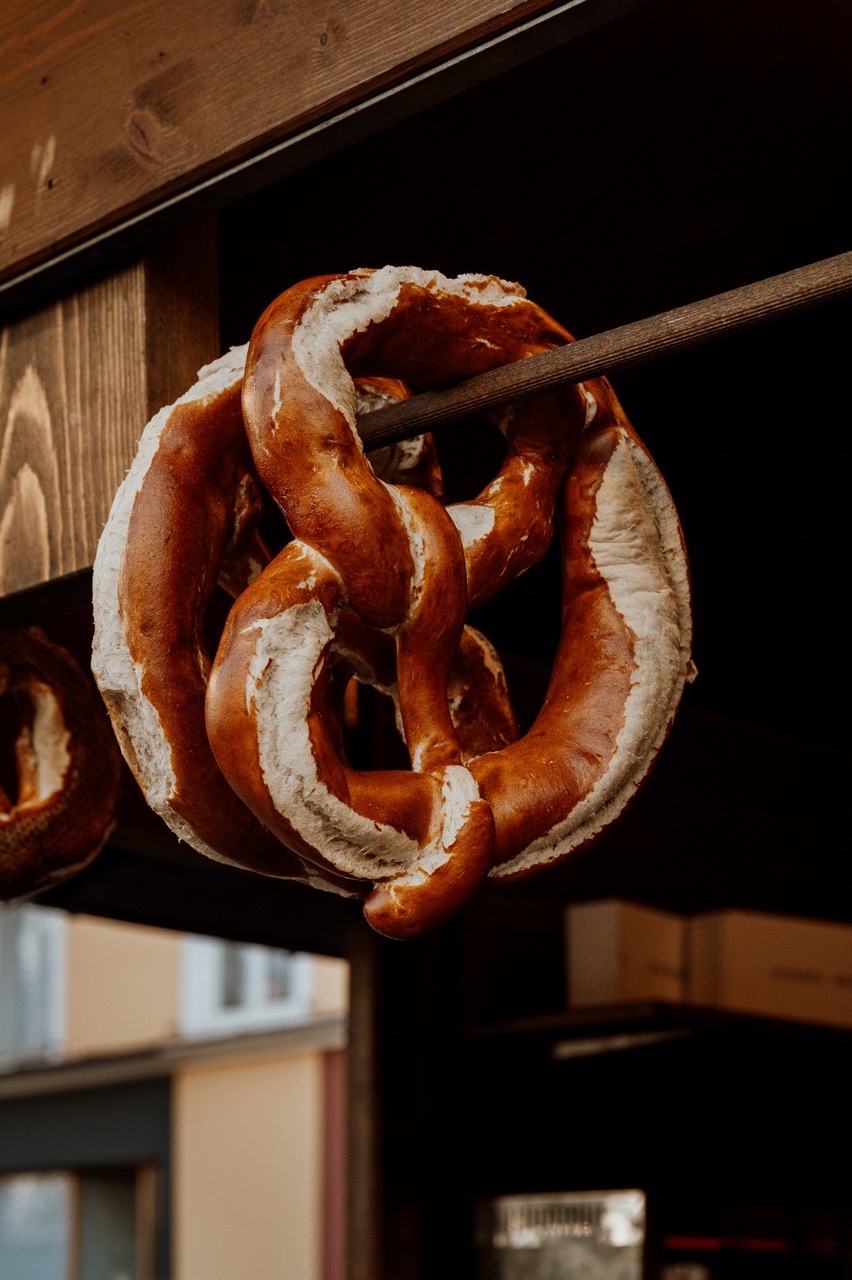
The cuisine of the Puster Valley is deeply tied to the land and to what each season brings. Ladin, Italian and Tyrolean traditions meet on the menus of mountain huts, alpine refuges and valley restaurants, and in the kitchen of the castle itself, making up a culinary repertoire that manages to be both deeply traditional and quietly inventive.

Alpine cheeses, aged cured meats, wines, grappas and craft beers complete an experience that builds, one mouthful at a time. Among the local table’s most distinctive characters is Graukäse: a humble cheese, made traditionally, with an unusual depth of flavour. Local legend has it that it was first made within the walls of Castel Badia itself.

The Hidden Past of the Valley

The historic architecture of the Puster Valley reveals itself gradually, scattered between villages, forests and the valley. The Abbey of Novacella, founded in 1142, is the largest monastic complex in South Tyrol, centuries of spiritual life contained within an architectural ensemble that moves from Romanesque to Baroque.

In the forests, among the clearings and rock faces, a lesser-told history survives. For decades during the Cold War, one of Europe’s most extensive defensive lines was built into the mountains of the Puster Valley: bunkers cut into the rock, kept active until the fall of the Berlin Wall in 1989. Some are now listed historic sites, others are open to visitors. An underground history that surfaces slowly, for those willing to look for it.

Masi: The Mountain Farms

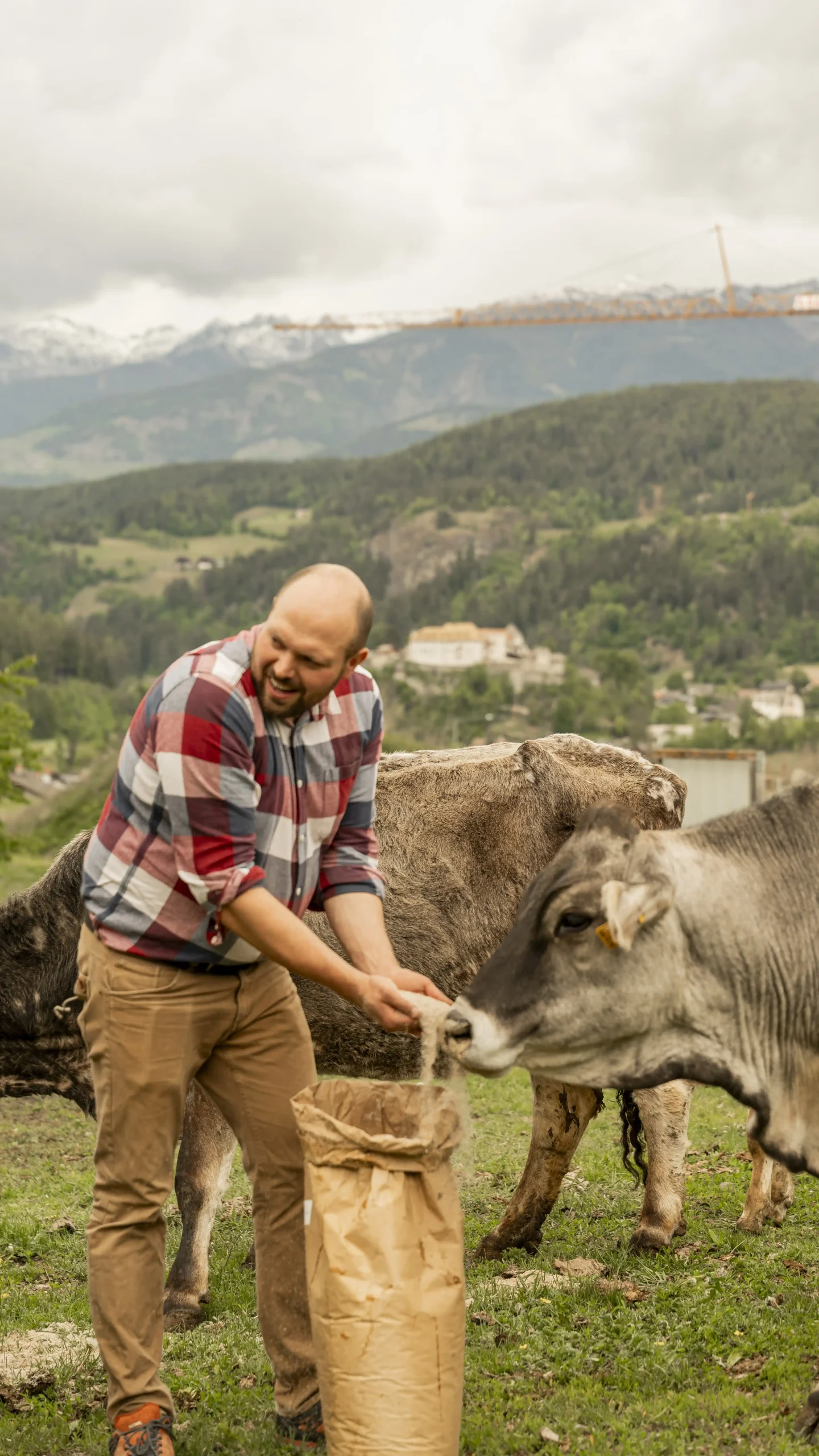
In these seasonal farmsteads, tradition becomes something you can touch. For centuries, the specialities of the South Tyrolean table have been made here: fresh and aged cheeses, cured meats, jams, herbal teas and natural products. At some, mountain herbs are transformed into something more: ointments, infusions and cosmetics, sitting at the meeting point of craft and botanical knowledge. The Kräuterhöfe (herb farms) are the keepers of techniques and secrets passed down through generations.

In summer, many farms open their doors, offering outdoor tastings, time with the animals, and that kind of stillness only life at altitude can offer.

For information on experiences and guided itineraries, contact [email protected]


Here, time seems to stand still, yet our news travels fast: discover it in our newsletter.

Book now